
The Vai Script
An enduring masterpiece of African ingenuity, the Vai script is one of the world’s few surviving indigenous writing systems. Discover the fascinating oral histories and dreams that birthed this unique language, and how it continues to preserve Liberian cultural identity today.
An enduring masterpiece of African ingenuity, the Vai script is among the world’s few indigenous writing systems still in use, carrying centuries of language, culture, and identity from generation to generation.
By George Kiatemba
Drawings by Duke Appleton
Editor’s Note
The origins of the Vai script are preserved through both oral tradition and historical research. The stories presented in this article reflect longstanding Vai oral accounts that have been passed down through generations and remain an important part of the community’s cultural heritage. Modern scholarship generally dates the creation of the Vai script to around 1833 and credits Momolu Duwalu Bukele (also spelled Dualu Bukele) with its development. As with many early African histories, oral traditions and historical records may differ in certain details, yet together they help illuminate the remarkable story of one of Africa’s few indigenous writing systems still in use today.
The Vai script is the indigenous writing system of the Vai people of Liberia and Sierra Leone. According to Vai tradition, the script developed independently and was not influenced by Western alphabets or the Arabic writing system. Like English, the Vai script is written from left to right, unlike Arabic, which is written from right to left. Its unique characters and symbols are distinct from both.
The Story of Dualu Bukele
According to Vai oral history, Dualu Bukele is credited with creating the Vai script after receiving it in a dream.
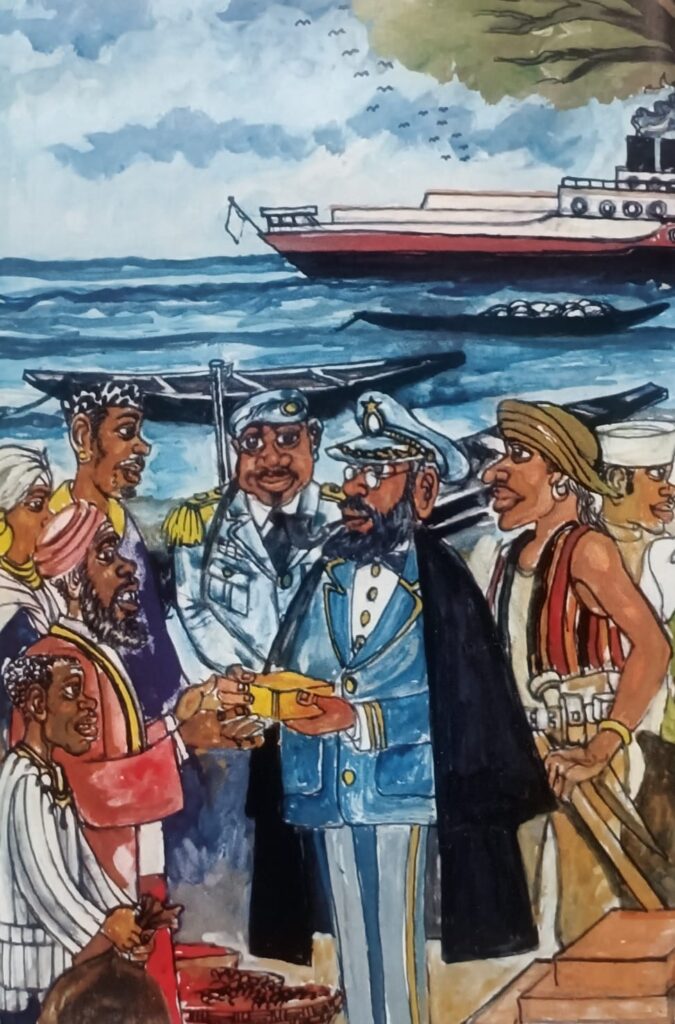
Dualu was born in the town of Bandakor, located between Mano Town and Jundu (known as the “slaves’ den”). As a young boy, his father took him to the coast to trade. During one of these trading journeys, a ship captain noticed Dualu and expressed interest in having him join his crew. After reaching an agreement with Dualu’s father, the captain took the young man to sea, where he spent many years.
During one of his voyages, Dualu witnessed something that profoundly affected him. The captain handed him a piece of paper covered with markings that appeared to be simple lines. Dualu was astonished to see that the paper seemed to “speak” without a voice. He watched as the captain followed the written instructions on the page.
How could ordinary marks on paper communicate meaning? The experience remained with Dualu long after the voyage.
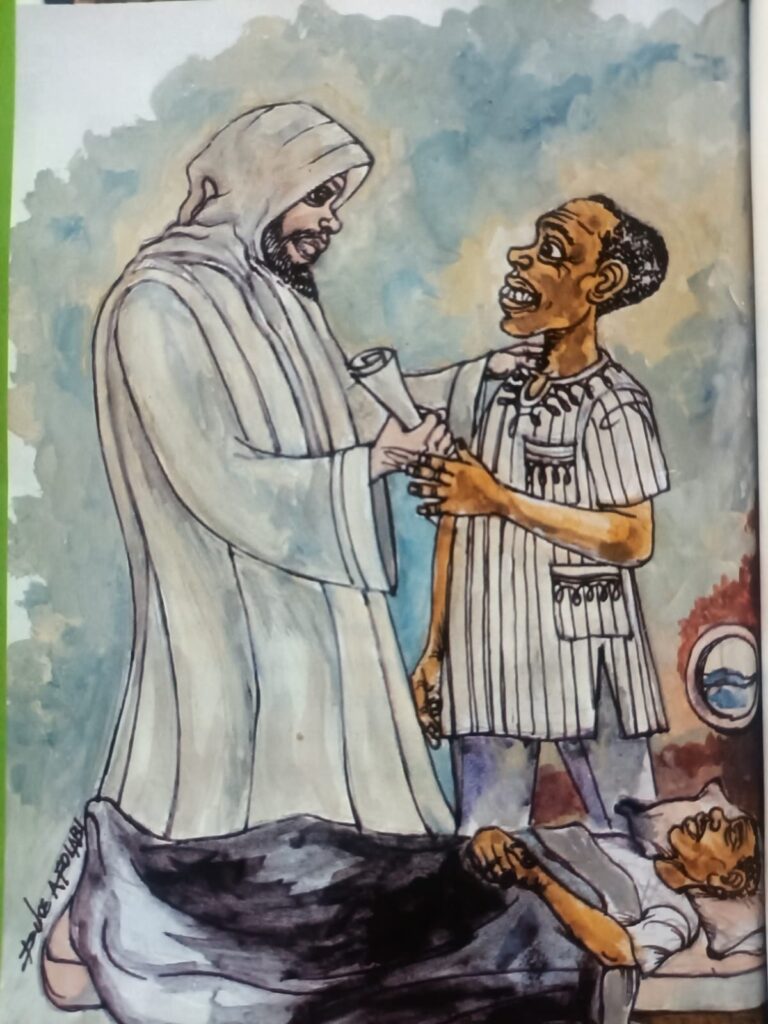
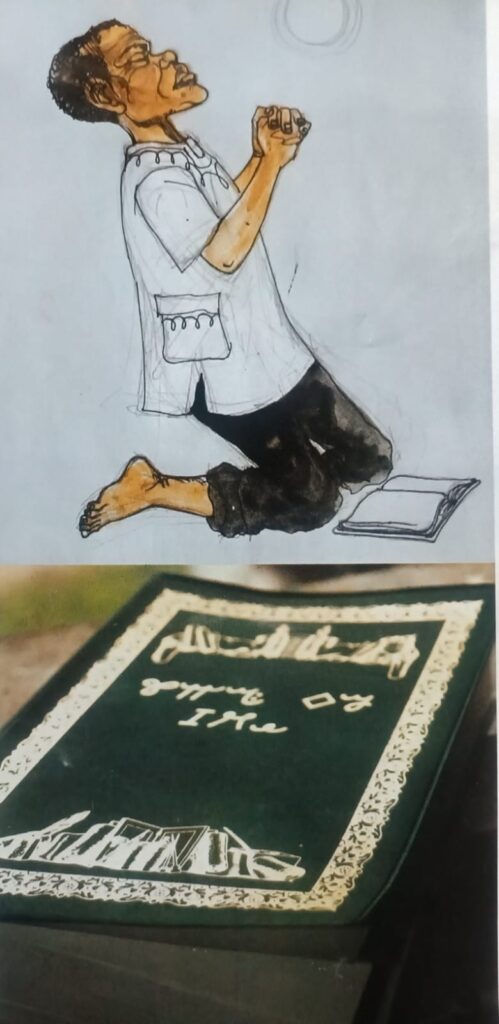
When he eventually returned home, Dualu began praying and fasting, asking God to provide his people with a system of writing. For months, he sought an answer.
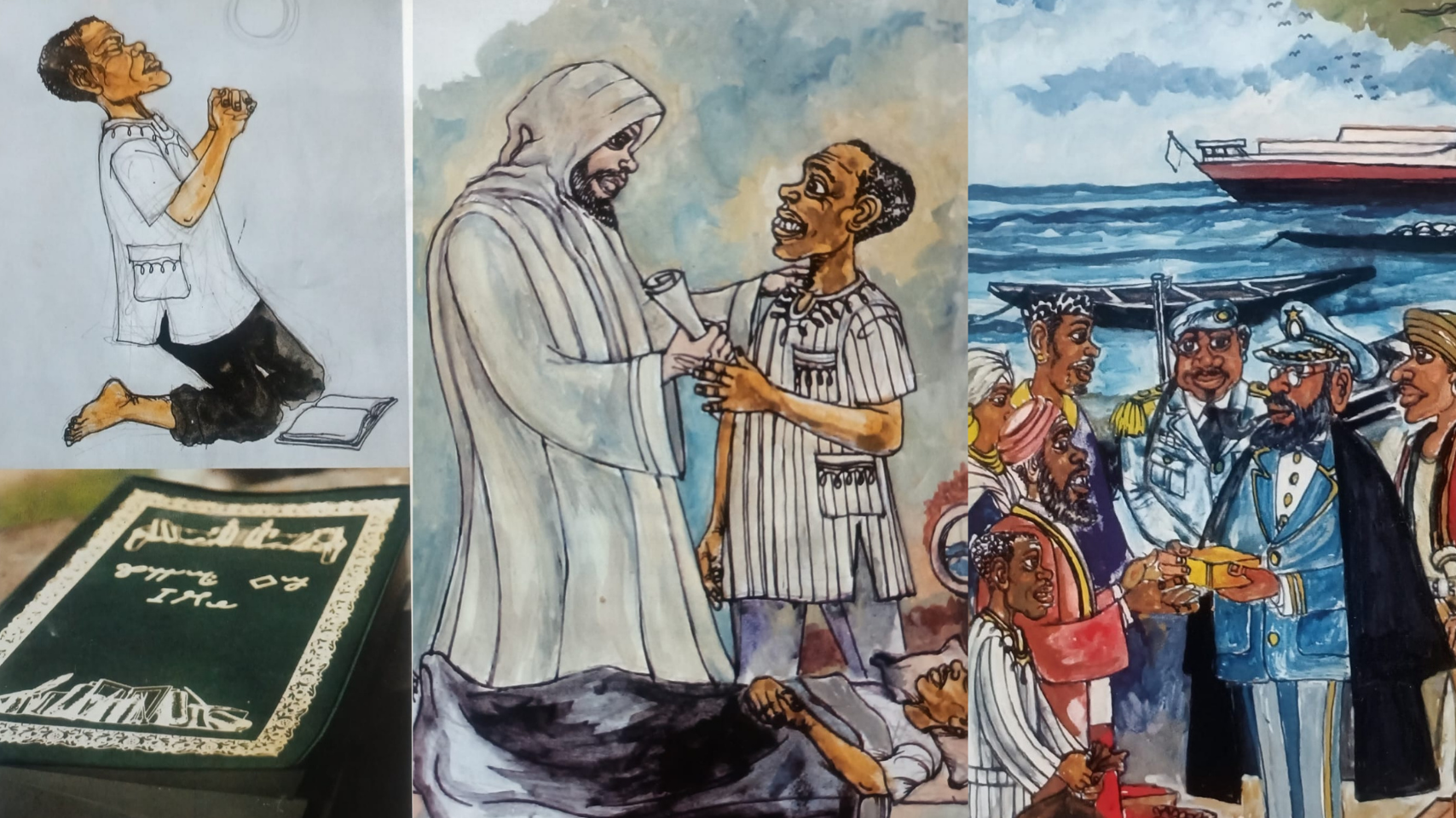
One night, while asleep, he dreamed that a man dressed in a white robe appeared carrying a small scroll. Handing it to Dualu, the man said, “This is the answer to your prayer.”
According to the tradition, when Dualu awoke, he had learned all 206 characters of the Vai script.
Dualu shared his experience with his friends, and those who believed him eagerly learned the new writing system. Within a month, twenty of his friends could read and write the symbols he had introduced.
The Chiefs’ Test
News of the new writing system eventually reached the Vai chiefs and elders, who called a public meeting. Dualu and his companions appeared before them, claiming they had developed a writing system for the Vai people.
Although intrigued, the chiefs remained skeptical and decided to test their claims.
The young men were divided into four groups and sent to different parts of Bandakor. One group wrote a sentence in the Vai script, which was then delivered to the second group. Without assistance, they successfully read the message. The process continued with the third and fourth groups, each accurately interpreting the written text.
Satisfied that the writing system was genuine, the chiefs ordered a cannon to be fired, symbolizing that a great event had taken place in the Vai nation.
Another Oral Tradition
Another account of the Vai script’s origins comes from Tombey District.
According to this tradition, the script was developed in the village of Bena, near Fali and Lake Piso.
A man named Bena Bai earned his living by tapping palm wine. In those days, sharing palm wine was a popular social activity among young people, and Bai regularly collected it for his friends.
As demand increased and the palm trees produced less wine, Bai and his companions began using symbols to communicate with one another and avoid attracting large crowds seeking palm wine.
According to this account, the first symbol of the Vai script was “Kpe,” meaning wine. When others learned its meaning, Bai and his friends created another symbol meaning “gone.”
Over time, they developed additional symbols, gradually expanding the system into what became the Vai script. It is also believed, according to this tradition, that the original chart of the Vai script is preserved in Tombey.
The Vai Script Today
Today, the Vai script continues to play an important role in preserving the language and cultural heritage of the Vai people.
The Vai Literacy Association operates 33 literacy classes across three districts in Cape Mount County, Liberia. According to its records, more than 6,000 people learned to read and write the Vai script between 1986 and 1990.
The Vai language is also taught at the University of Liberia and in mission schools throughout Liberia.
The New Testament has been translated into the Vai script, and numerous educational materials—including books on agriculture, religion, and health—have also been published using the writing system, helping ensure that this remarkable indigenous script continues to thrive for future generations.